 |
| Colonel Andrew Clarke, K.H. Thomas Foster Chuck, Public domain, via Wikimedia Commons |
A realistic colored pencil portrait doesn’t happen by accident. It emerges layer by layer, value by value—until one moment, when the pencil marks disappear and skin seems to breathe on the paper.
That moment is often created with a blending solvent.
When used correctly, a blending solvent transforms colored pencil from a scratchy, layered medium into something fluid, painterly, and luminous.
Let’s step into the process and explore exactly how to use a blending solvent to achieve outstanding results in colored pencil portraits.
What Is a Blending Solvent in Colored Pencil Art?
A blending solvent is a liquid that dissolves the wax or oil binder in colored pencils, allowing pigment particles to flow into the paper’s tooth. Instead of stacking endless layers, the solvent melts them together, creating smooth transitions and rich saturation.
Common solvents include:
-
Odorless mineral spirits (OMS)
-
Artist-grade blending fluids
-
Specialized pencil blenders from art brands
The key is control—the solvent doesn’t replace layering; it refines it.
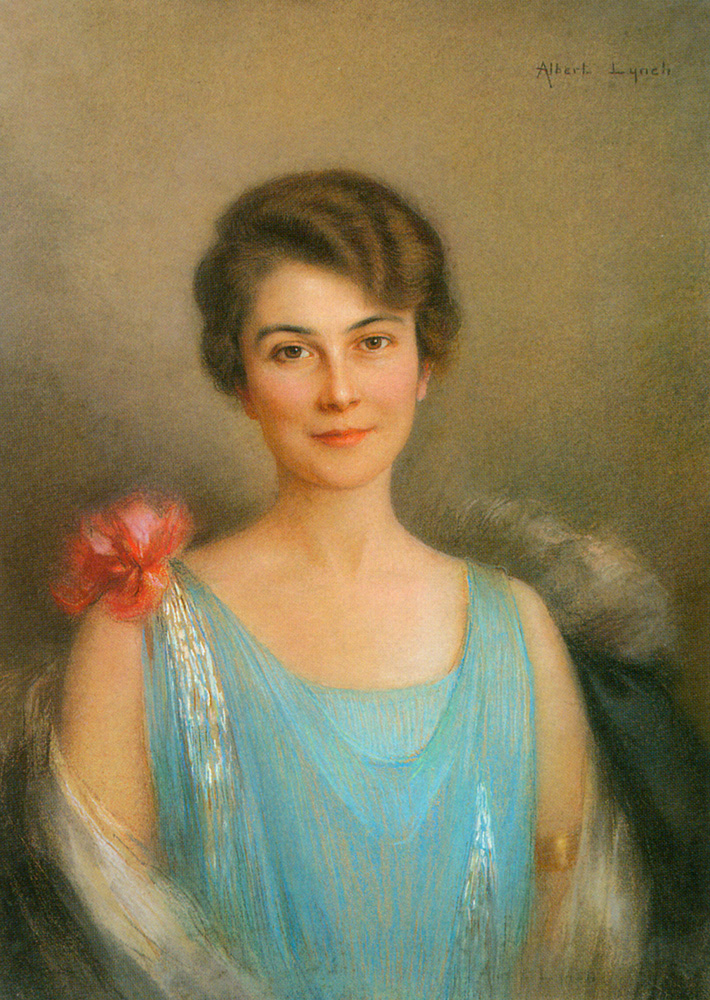 |
| Portrait of a woman Pencils and pastels Albert Lynch, Public domain, via Wikimedia Commons {{PD-US}} |
Preparing Your Portrait for Solvent Blending
Before the solvent ever touches the paper, preparation determines the final result.
Picture this: a lightly sketched face, planes of the forehead, nose, and cheeks mapped with pale peach, cream, and light umber.
The pencil pressure is gentle. The paper tooth is still visible. This is exactly where solvent blending shines.
Best practices before blending:
-
Use quality colored pencils with strong pigment
-
Apply 2–4 light layers (not heavy pressure)
-
Work from light to mid-tones first
-
Choose heavyweight, solvent-safe paper
If the pencil is already burnished, the solvent has nothing left to dissolve.
How to Apply Blending Solvent Step by Step
Step 1: Choose the Right Tool
Dip a small, soft brush or cotton swab lightly into the solvent. It should be damp, not dripping. Excess liquid floods the paper and causes blooms or buckling.
You’re aiming for a whisper of moisture.
Step 2: Let the Solvent Do the Work
As the brush touches the cheek area, the pencil marks soften instantly. Pigment spreads into the tooth, filling gaps you didn’t know were there.
Move in small, circular motions, following the form of the face. Along the jawline, strokes curve downward. Across the forehead, they flatten and widen. You are sculpting, not scrubbing.
Resist the urge to overwork. Two or three passes are often enough.
 |
| Image by Google Gemini |
Step 3: Watch the Values Settle
As the solvent evaporates, something magical happens: colors deepen, edges soften, and the skin begins to glow. What looked pale and grainy now appears unified and painterly.
Let the area dry completely before adding more pencil—usually 10–20 minutes.
Layering After Solvent Blending
This is where outstanding portraits are built.
Once dry, the surface accepts new layers beautifully. You’ll notice:
-
Less grain
-
Smoother transitions
-
Greater color saturation with lighter pressure
Now you can glaze subtle pinks into cheeks, deepen shadows around the eyes, and sharpen features without fighting the paper.
Each pass increases realism without heaviness.
 |
| Colored drawing by Libuše Šafránková Roman Bureš, CC BY-SA 3.0, via Wikimedia Commons |
Using Solvent for Skin Tones
Skin is never one color. Solvent blending helps unify complex palettes while preserving variation.
Imagine layering light peach, warm grey, and pale lavender across a temple. Before blending, they look separate. After solvent, they merge into a natural flesh tone that feels alive.
Tips for realistic skin:
-
Blend warm and cool tones together
-
Keep highlights solvent-light or solvent-free
-
Use solvent more in mid-tones than in brightest areas
This contrast keeps skin luminous instead of flat.
Common Mistakes to Avoid
Even experienced artists stumble when first using blending solvents.
Avoid these pitfalls:
-
Over-saturating the paper (leads to damage and muddy colors)
-
Blending too early before enough pigment is laid down
-
Using harsh brushes that disturb paper fibers
-
Blending everything equally, which removes focal points
Remember: realism thrives on selective softness.
Enhancing Details After Blending
Once the skin is smooth, details shine brighter.
Sharp pencil lines over blended areas feel intentional:
-
Eyelashes sit crisply on softened skin
-
Wrinkles look subtle, not harsh
-
Hair edges stand out naturally
The solvent creates the stage; the pencil delivers the performance.
Why Blending Solvent Elevates Colored Pencil Portraits
Using a blending solvent bridges the gap between drawing and painting. It speeds up the layering process, deepens color, and creates transitions that are nearly impossible with dry pencil alone.
More importantly, it allows you to focus on form, light, and emotion, rather than fighting texture.
When used thoughtfully, a blending solvent doesn’t erase your pencil work—it reveals its full potential.
Final Thoughts
Mastering blending solvents in colored pencil portraits is not about soaking the paper or chasing perfection. It’s about timing, restraint, and understanding how pigment behaves when it’s finally allowed to move.
With practice, you’ll find that moment when the portrait stops looking drawn—and starts looking human.


No comments:
Post a Comment